Quick answer
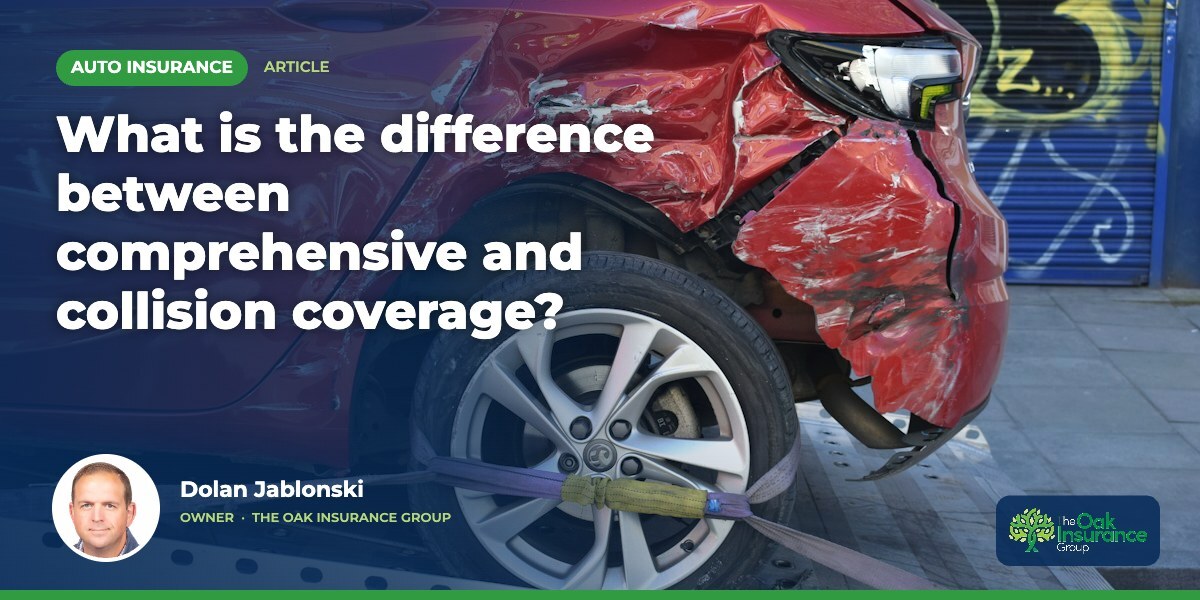
Comprehensive coverage pays for non-collision damage to your vehicle, such as theft, vandalism, fire, natural disasters, falling objects, and animal collisions. Collision coverage pays for damage from hitting another vehicle or object, including single-car incidents like hitting a curb. Collision is required when a lienholder is on the vehicle.
This article explains the key differences between comprehensive and collision auto insurance coverage, detailing what types of vehicle damage each covers. It highlights examples of claims covered under each type and offers practical advice on when to maintain these coverages in your policy.
Key Takeaways:
- Comprehensive coverage protects your vehicle from non-collision incidents like theft, vandalism, fire, natural disasters, falling objects, and animal collisions.
- Collision coverage covers damage resulting from collisions with other vehicles or objects, including car accidents and single-car incidents like hitting a curb.
- Comprehensive coverage is generally affordable and recommended to keep on your vehicle, while collision coverage is often required if you have a lienholder.
- The cost of collision coverage does not decrease proportionally as your vehicle’s value declines, so regularly review your policy to ensure it fits your needs.
Hi, we are continuing our discussion around personal lines insurance, today we are focusing on comprehensive and collision coverage. Comprehensive and collision coverage are two types of auto insurance coverages that provide protection for different types of damage to your vehicle. Below I will detail the differences and how they apply to your policy assuming you carry both collision and comprehensive coverage.
- Comprehensive Coverage:
- Coverage Type: Comprehensive coverage protects your vehicle from “other than collision” incidents.
- Examples of Covered Comprehensive Claims:
- Theft
- Vandalism
- Fire
- Natural disasters (for example earthquakes, floods)
- Falling objects
- Animal collisions
- Collision Coverage:
- Coverage Type: Collision coverage provides protection for damage to your vehicle that occurs as a result of a collision with another vehicle or object.
- Examples of Covered Collision Claims:
- Car accidents
- Collisions with stationary objects (for example trees, poles)
- Single-car accidents (for example hitting a curb)
In summary, comprehensive coverage is for other than collision events and is very affordable when purchasing insurance. I recommend to all of my clients to always keep comprehensive coverage on their vehicles. Collision coverage is for damage caused by collisions and is always required when a lienholder is present on your vehicle(s). It is important to remember that as the value of your vehicle goes down the cost of collision coverage does not go down in correlation to that amount. The overwhelmingly majority of claims involve repairing a vehicle and not replacing the vehicle therefore when collision is paid it is done to fix the vehicle.
It’s important to review your insurance policy to understand the specific details and limits of your coverage. Reach out for a free consultation to discuss further.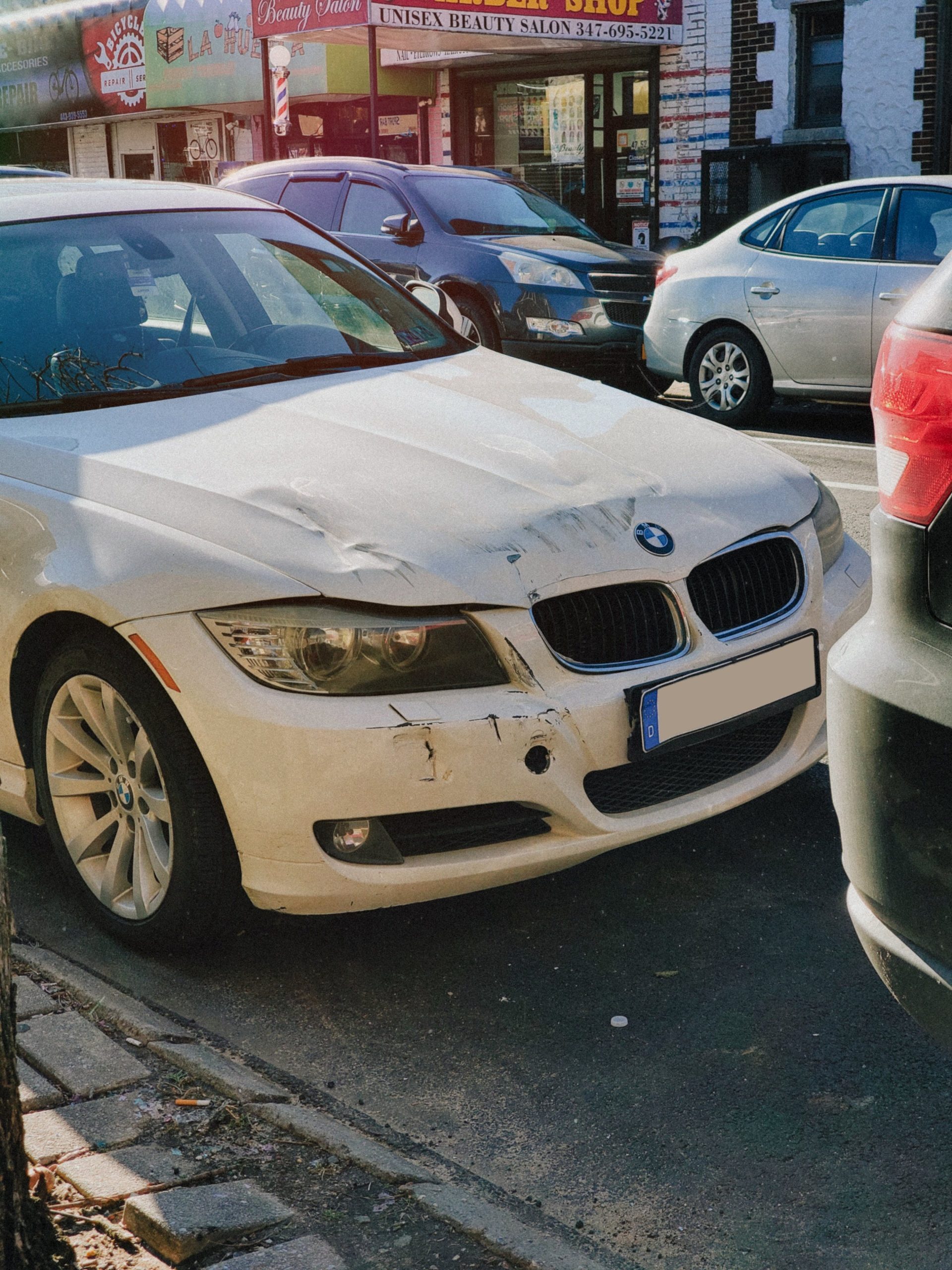
Keep Reading
- Auto Insurance from The Oak Insurance Group
- Why Are My Auto Insurance Rates Rising as My Car Ages?
- Why Car Insurance Costs Remain High as Your Vehicle Ages
- Auto insurance facts & statistics (Insurance Information Institute)

Frequently asked questions
What does comprehensive car insurance cover?
Comprehensive coverage protects your vehicle from other-than-collision incidents. Examples include theft, vandalism, fire, natural disasters such as earthquakes and floods, falling objects, and animal collisions. We recommend clients always keep it, as it is generally very affordable.
What does collision coverage pay for?
Collision coverage protects your vehicle when it is damaged in a collision with another vehicle or object. Examples include car accidents, collisions with stationary objects like trees and poles, and single-car accidents such as hitting a curb.
Is collision coverage required?
Collision coverage is always required when a lienholder is present on your vehicle. If you own your car outright, review your policy details and limits with your agent to decide whether collision coverage fits your needs.
Does collision coverage get cheaper as my car loses value?
Not in proportion. As your vehicle's value goes down, the cost of collision coverage does not go down by a matching amount. Most claims also involve repairing a vehicle rather than replacing it, so review your policy regularly.
If a tree or animal damages my car, is that comprehensive or collision?
An animal collision falls under comprehensive coverage, as do falling objects. Hitting a stationary object like a tree or pole is generally treated as a collision claim. How a specific claim is classified depends on your policy, so confirm with your agent.
Topics: