
Quick answer
Many homes are underinsured because extra buildings like detached garages, sheds, and accessory dwelling units go unreported. One analysis found 45 percent of U.S. homes have multiple structures, and residential policies typically offer limited coverage for detached structures. Tell your agent about any changes and review your policy annually.
This article reveals that nearly half of U.S. homes have multiple structures that are often unreported and underinsured, posing risks for homeowners and insurers. It highlights how AI and aerial imagery help identify these overlooked buildings, emphasizing the importance of regular insurance reviews to ensure adequate coverage.
Key Takeaways:
- Approximately 45% of U.S. homes have multiple structures like detached garages, sheds, or ADUs that are frequently unreported to insurers.
- States with strong agricultural sectors and evolving zoning laws, such as Montana, Wyoming, and California, have the highest prevalence of additional structures on properties.
- Undisclosed secondary buildings can lead to insufficient insurance coverage, increasing financial risk for both homeowners and insurers during claims.
- Using AI and aerial imagery improves the accuracy of property assessments, allowing insurers to better evaluate risks and reduce reliance on outdated physical inspections.
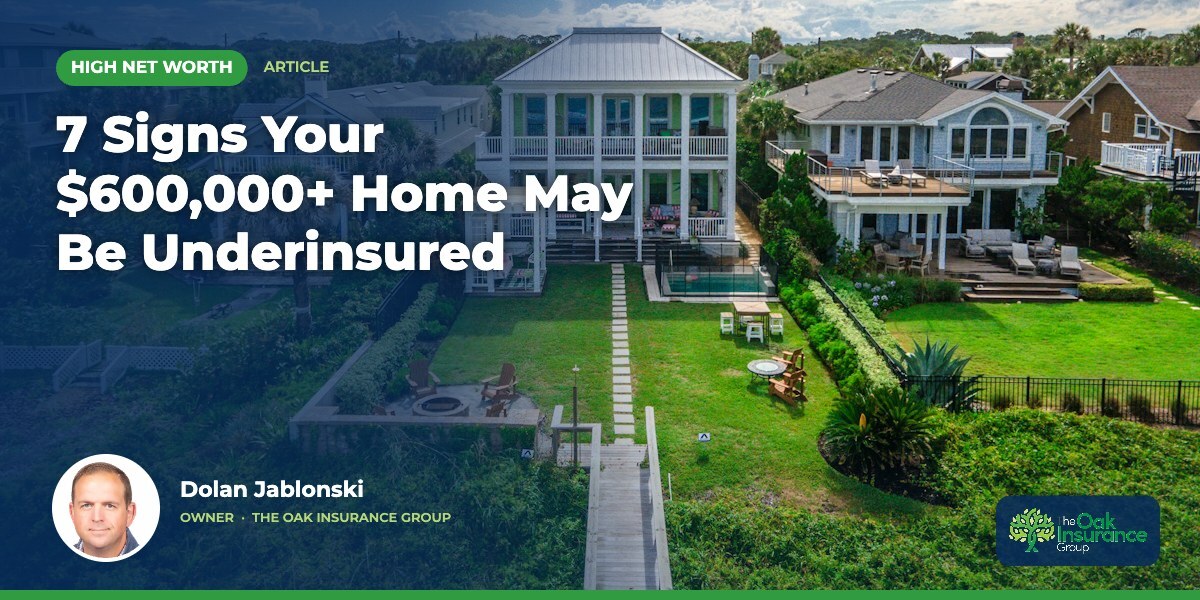
Millions of U.S. homes are underinsured, not because of any added value in the homes, but because additional structures on the homeowner’s property have gone unreported and are without protection.
Using artificial intelligence and aerial imagery to analyze one million residential properties across the U.S., ZestyAI found nearly half (45%) have multiple structures – many of which are overlooked or improperly covered by insurers. These findings highlight a growing challenge for insurance carriers striving to provide accurate risk assessments and comprehensive coverage.
While 31% of homes have one additional structure, 11% have two additional structures, and 4% have four or more, such as detached garages, sheds and outbuildings.
For multi-structure properties, it’s all about zoning regulations and local industries. In states with thriving agricultural sectors, such as Montana, Wyoming, and Wisconsin, over half of properties have additional buildings such as barns, sheds, or guest cottages. Montana and Wyoming lead with 59% and 58% of properties having multiple structures.
Meanwhile, densely populated areas like California and Rhode Island are adapting zoning laws to encourage Accessory Dwelling Units (ADUs), contributing to a rising number in multi-structure properties. Georgia (26%) and North Carolina (29%) report the lowest prevalence.
Detached buildings, like garages or ADUs, can go unnoticed during the underwriting process if not explicitly declared. An undisclosed and potentially dilapidated secondary structure exposes the insurer to unforeseen risk, leading to situations where claims for these structures are unexpectedly high, driving up losses.
Underinsured secondary structures expose the homeowner and the insurer in the event of a claim. Residential policies typically offer limited coverage for detached structures, which are often inadequate compared to their actual value. In the past, insurance carriers needed to rely on the slower processes of physical inspections or property records, which can be outdated or overlook secondary structures. AI data can also assess roofs, helping insurers predict potential losses and reducing the need for physical inspections.
Annual reviews are crucial in updating home insurance policies for coverage. Insureds should feel empowered to contact their agent anytime an update has happened on their home or property. At The Oak Insurance Group we do annual reviews with our customers to ensure accurate and up to date information to avoid costly mistakes.
Keep Reading
- Homeowners Insurance from The Oak Insurance Group
- Georgia Home Insurance Guide: Costs, Coverage & Risks
- Homeowners Insurance Claims in Georgia: What to Expect
- What standard homeowners insurance covers (Insurance Information Institute)

Frequently asked questions
Why are detached garages and sheds often underinsured?
Detached buildings can go unnoticed during underwriting if not explicitly declared, and residential policies typically offer limited coverage for detached structures that is often inadequate compared with their value. Tell your agent about every structure on your property so coverage can be reviewed.
How common are multiple structures on a residential property?
One analysis of one million U.S. properties found that 45 percent have multiple structures, including 31 percent with one extra, 11 percent with two, and 4 percent with four or more. Georgia was among the lowest at 26 percent, but your property may still have them.
What happens if I don't tell my insurer about a secondary building?
Undeclared and possibly dilapidated secondary structures expose both homeowner and insurer to unforeseen risk, and claims for them can be unexpectedly high. Because coverage for detached structures is typically limited, you could be underinsured. Talk with your agent to confirm how these buildings are covered.
How do insurers find extra structures on a property?
Artificial intelligence and aerial imagery help identify secondary structures and even assess roofs. Previously, carriers relied on slower physical inspections or property records, which can be outdated or overlook secondary buildings. This improves the accuracy of property assessments and reduces the need for inspections.
How often should I review my homeowners policy?
Annual reviews are crucial, and homeowners should contact their agent anytime an update happens on their home or property. The Oak Insurance Group does annual reviews with customers to keep information accurate and up to date and avoid costly mistakes.
Topics: